

Welcome to The Adaptive Leader Blog
Access our expanding collection of reports, studies, and exclusive content anytime, with new items added monthly.
Subscription starting at $1.00/mo.
Free content marked as Preview.
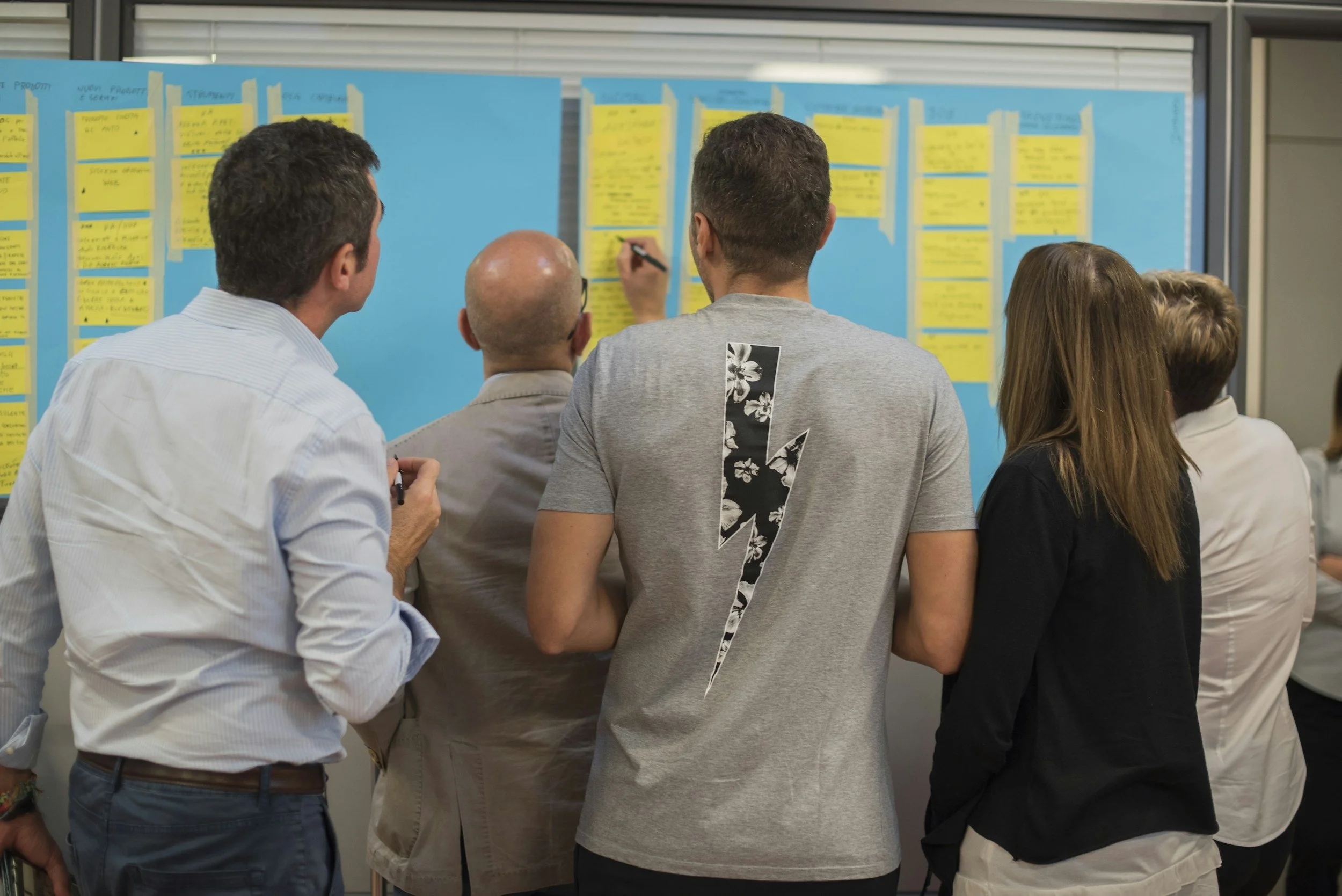
Design and Do: Why Acerola Strategies Doesn’t Separate Thinking from Action
Most consulting engagements produce recommendations. Acerola Strategies produces organizations that can keep adapting after we leave — because thinking and doing are never separated.

The Silence Trap: Why Leaders Create the Psychological Safety Problem They’re Trying to Solve
Most leaders believe they are creating psychologically safe teams. Most of them are creating the opposite — through patterns that look like good management and feel like good intentions.

The Human in the Loop: Why AI Makes Adaptive Leadership More Necessary, Not Less
AI is making faster decisions possible. But 60% of executives now using AI regularly doesn’t mean 60% of organizations are building the human capacity to deploy it well. That’s the gap that matters.

Agile Learning: How Organizations Build the Capacity to Stay in Motion
Agile learning is the capacity to convert experience into improved action at the speed your environment demands. Most organizations want it. Few have built the infrastructure that makes it possible.

Five Signs Your Strategic Plan Is Actually a Complicated Solution to a Complex Problem
Most strategic plans don’t fail because of poor execution. They fail because they were designed for a complicated problem — and the problem was actually complex. Here are five ways to tell the difference before the plan is finalized.
Why Most Government Digital Transformation Projects Fail Before They Start
Governments are spending trillions on digital transformation — and 70–90% of those initiatives fail. The problem isn't the technology. It's that agencies keep treating a complex organizational challenge as a complicated technical one.

Complexity Diagnostics — How to Know What Kind of Problem You Actually Face
Most organizations don't fail because they chose the wrong solution. They fail because they never accurately diagnosed what kind of problem they were solving.

The Mobilization Gap — Why Strategy Fails Between the Boardroom and the Front Line
The strategy was sound. The data supported it. The board approved it. And twelve months later, nothing had changed on the floor. The problem was never the strategy — it was the distance between decision and action.

What "Wicked Problems" Actually Means — and Why the Term Matters for Your Organization
Every leadership team has used the phrase. Almost none of them mean what Rittel and Webber meant when they coined it — and that misunderstanding shapes how organizations allocate resources, define success, and measure progress.
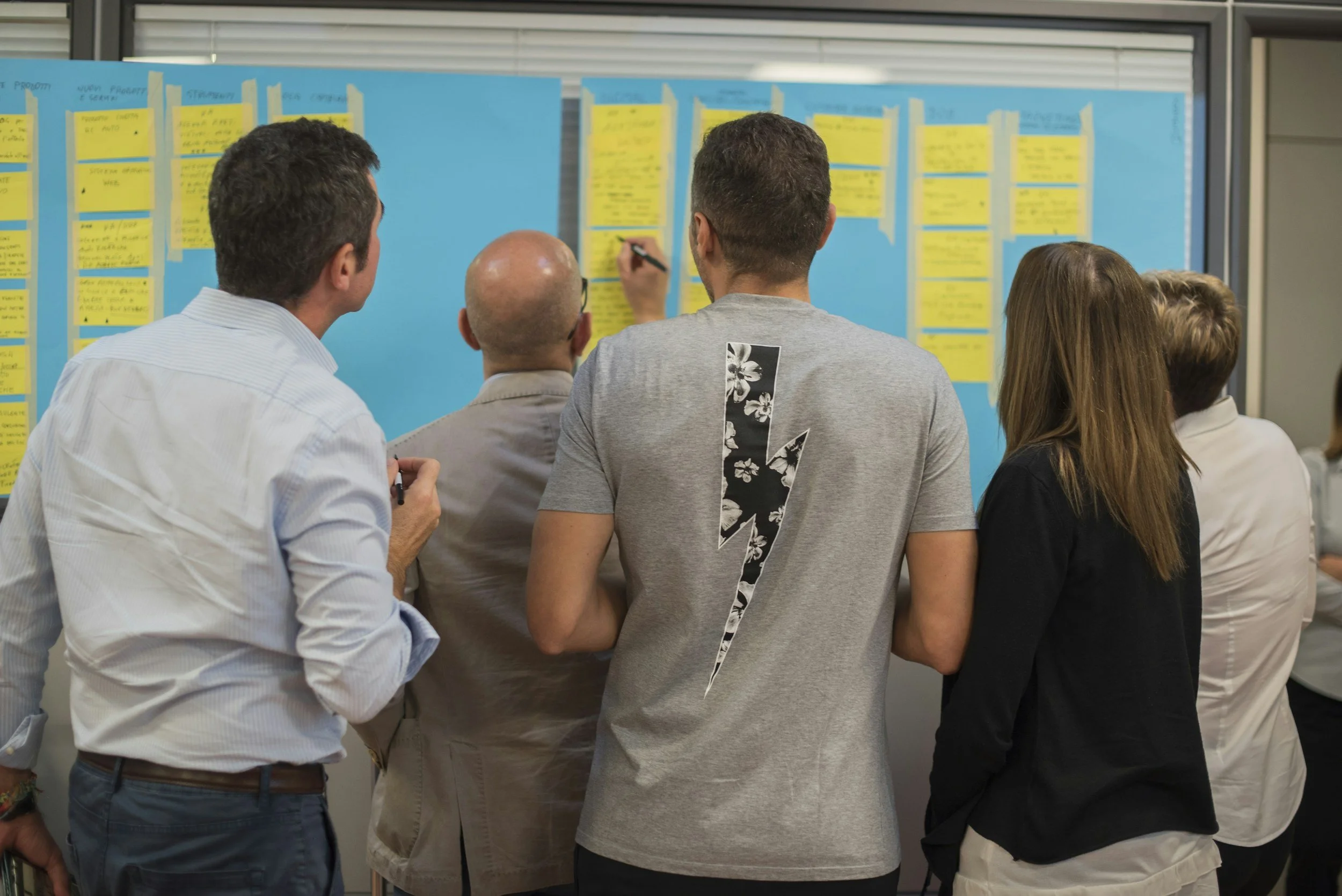
The Dynamic Doers Lab: What It Is, How It Works, and Why Conventional Workshops Don’t Solve Complex Problems
Most organizations bring in a workshop and leave with a binder. The Dynamic Doers Lab leaves organizations with something different: a functioning team, a live action agenda, and the muscle memory to keep moving through complexity.

The 30/30 Cycle: How Adaptive Teams Move Complex Problems Forward Without Losing Momentum
Most teams don't stall on complex problems because they lack ideas. They stall because they lack a structured rhythm for moving. The 30/30 Cycle is the mechanism that changes that.

Why Your Strategy Is Failing Before It Starts: The Execution Gap That Isn’t About Execution
Sixty-seven percent of well-crafted strategies fail during execution — not because the plan was wrong, but because the organization was never built to carry it. The gap isn't about execution. It's about design.